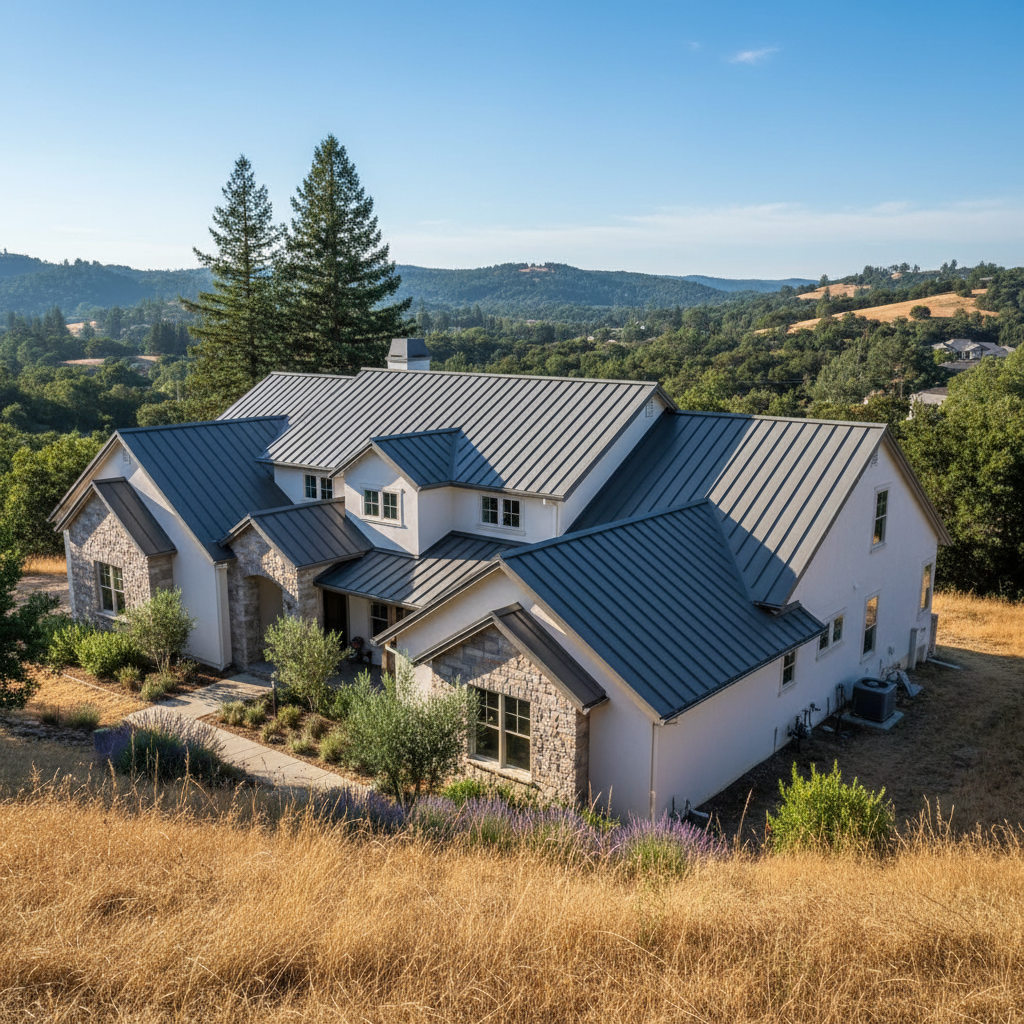
Alright, let's talk metal roofs here in El Dorado Hills. You've heard they're tough, they last, and they look great, right? All true. But just like any big investment, knowing when to do the work and how to look after it through our specific seasons makes a huge difference. You wouldn't plant tomatoes in December, and you really shouldn't schedule your roof replacement without thinking about the weather.
When to Schedule Your Metal Roof Project
For metal roofing, timing is everything. Our El Dorado Hills climate, with its hot, dry summers and wet, sometimes chilly winters, really dictates the best window. I always tell folks, the sweet spot is late spring or early fall. Why?
- Spring (April-May): The ground's usually dried out from winter rains, and the scorching summer heat hasn't kicked in yet. This means comfortable working conditions for my crew, less chance of rain delays, and the metal isn't getting super hot under the sun while we're trying to cut and fasten it.
- Fall (September-October): Same deal, but in reverse. The brutal summer heat has usually broken, and we're typically still clear of the heavy, consistent winter rains. It's a great time to get a new roof on before the downpours start.
Summer can work, don't get me wrong. We do plenty of roofs in July and August. But the metal gets incredibly hot, which isn't just uncomfortable for the crew; it can affect how the panels handle during installation. Plus, those afternoon thunderstorms we sometimes get, especially up closer to places like Serrano, can pop up fast and halt work. Winter? Forget about it for a full replacement unless it's an emergency. Rain, cold, and shorter daylight hours just make it inefficient and risky, honestly.
Weather Conditions That Affect Metal Roof Work
You'd be surprised what a difference a few degrees or a bit of wind can make. Here's what we're always watching:
- Heat: Metal expands and contracts. While the finished roof is designed for this, putting it on when the panels are already super-heated can be tricky. It's not a deal-breaker, but it needs more careful handling and planning to make sure everything lays perfectly.
- Rain: Obvious one, right? We can't safely work on a wet roof, especially metal, which gets slick. Plus, you don't want your roof deck exposed to rain during installation. We're pretty good at watching the forecast, but sometimes Mother Nature throws a curveball.
- Wind: This is a big one for metal. Those long panels can act like sails. Even a moderate breeze can make it dangerous to lift and position them, especially on a two-story home. Safety is always our number one priority, so if the wind picks up, we might have to pause until it dies down.
- Cold: While not as critical as rain or extreme heat, very cold temperatures can make metal more brittle and harder to work with. It also slows down the crew, which can extend the project timeline.
Protecting Your Investment Year-Round
You've got a metal roof, great. Now, how do you keep it looking good and performing for decades? It's not rocket science, but it does take a little attention.
- Clear the Debris: Our oak trees are beautiful, but they drop leaves, acorns, and sometimes small branches. Get up there (or have us do it) and clear off any significant build-up, especially in valleys and around vents. This prevents water from pooling and keeps your gutters flowing.
- Check for Scratches or Dents: If you've had other work done on your roof – maybe an HVAC tech or a satellite dish installer – take a peek afterward. Sometimes, accidental scratches can expose the metal, leading to rust. Small dents from falling branches aren't usually a structural issue, but they can affect how things look. If you see anything concerning, give Skyline Roofing Solutions a call. We can assess it and recommend the right fix.
- Inspect Sealants: Around chimneys, skylights, and vent pipes, there are sealants. Over time, UV exposure and temperature fluctuations can cause these to crack or degrade. A quick visual check once a year, especially before winter, can catch these issues before they become leaks.
- Wash It Down (Occasionally): If you notice a film of dirt or pollen, especially after a long dry spell, a gentle rinse with a garden hose can do wonders. Don't use a pressure washer unless you know exactly what you're doing, as you can damage the finish.
A metal roof is a fantastic choice for El Dorado Hills homes. It handles our sun, sheds our rain, and looks sharp. Just remember, a little seasonal awareness and basic care go a long way in making sure it protects your home for a lifetime.