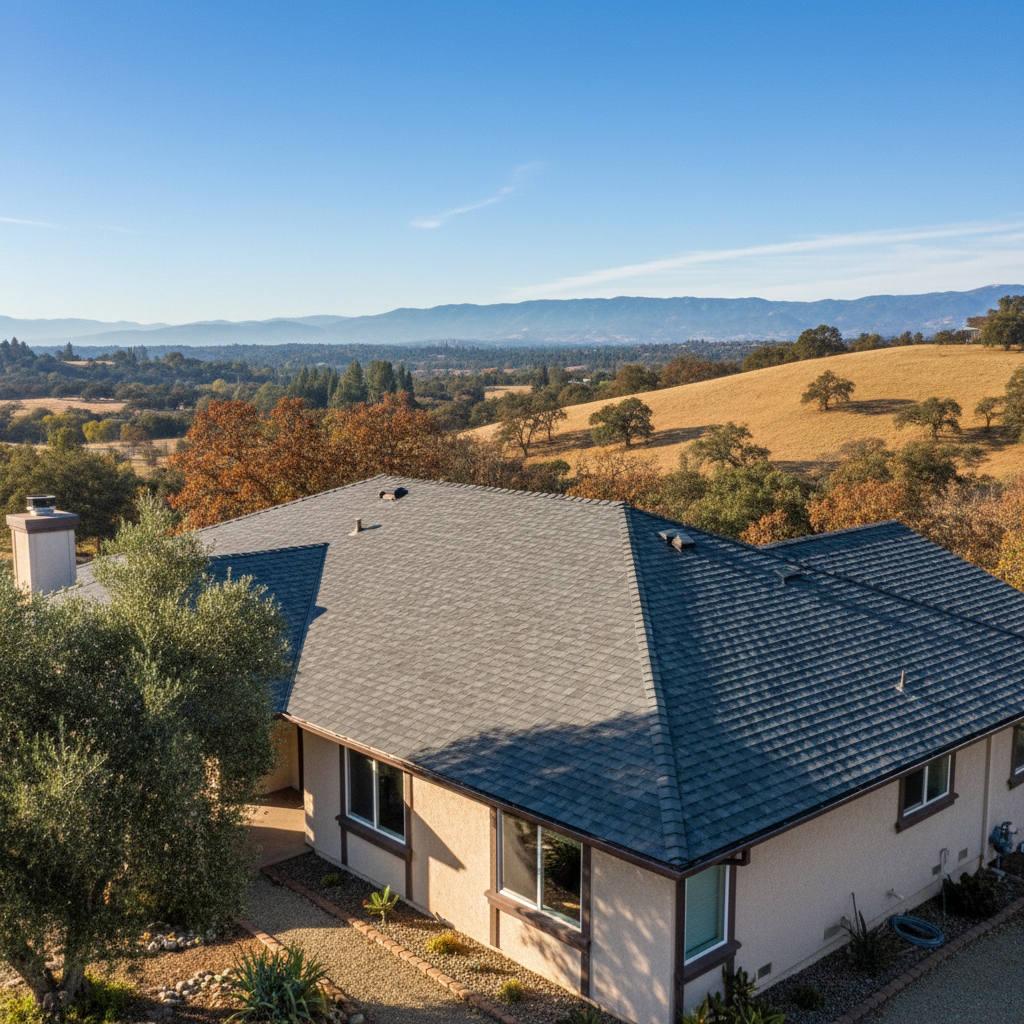
Alright, let's talk roofs here in El Dorado Hills. You live here, you know our weather, right? It's not like other places; we get those scorching summers, the occasional heavy winter rains, and sometimes those crazy winds that come whipping through, especially up in spots like Serrano. This unique climate means you can't just slap a roof on any old time and expect it to last. You've got to be smart about when you schedule, what conditions we're working with, and how you keep that investment protected all year long.
When's the Best Time for a New Roof?
Honestly, the absolute sweet spot for roof installation around here is usually late spring or early fall. Why? Because the weather's just right, plain and simple.
- Spring (March-May): After the winter rains, things start to dry out, and temperatures are mild. This is great for us as contractors because it's not too hot, and it's not too wet. Materials like asphalt shingles can seal properly without the extreme heat making them too soft, or the cold making them brittle. Plus, if you had any leaks over winter, you can get them fixed before the real heat kicks in.
- Fall (September-November): This is another prime window. The summer heat has backed off, but the heavy winter rains haven't usually started yet. Cooler temperatures are ideal for materials to set correctly, and it's generally drier. You really want that new roof buttoned up tight before the first big storm hits in November.
Now, can you get a roof done in summer or winter? Sure, you can. But there are definitely trade-offs.
- Summer (June-August): We've got long, sunny days, which means plenty of work time. But man, it gets hot. That intense El Dorado Hills sun can make asphalt shingles super soft, which can be tough to work with and can affect how they seal. Our crews have to take more breaks, and sometimes that means a job takes a little longer. Plus, it's a busy season for everyone, so you might need to book further out.
- Winter (December-February): This is usually the least ideal time for a full roof replacement. We get those cold temperatures and, more importantly, the rain. Moisture and cold can delay projects and affect how well materials stick. If your roof is actively leaking and it's an emergency, we'll absolutely make it happen. But for a planned replacement, it's best to avoid winter if you can.
Weather Conditions That Affect the Work
Our local climate isn't just about seasons; it's about specific conditions that impact how we do our job and how your roof performs. El Dorado Hills experiences hot, dry summers and wet winters, which really puts a roof to the test.
- Heat: Those long stretches of 90+ degree days we get? They're brutal on roofing materials. UV rays degrade shingles over time, making them brittle and prone to cracking. During installation, extreme heat can make materials too pliable, affecting their long-term performance if not handled correctly. That's why proper ventilation is key, not just for your home's energy efficiency, but for the roof itself.
- Rain: Our winter rains, sometimes heavy, are the enemy of an exposed roof. We can't install a new roof when it's actively raining, as moisture can get trapped, leading to problems down the line. This is why scheduling in drier periods is so important.
- Wind: We get some serious wind gusts, especially in the more exposed areas of El Dorado Hills. These winds can lift shingles, particularly if they're older or weren't installed correctly. During installation, strong winds can make working on a roof dangerous and can blow materials around.
- Temperature Swings: The big difference between daytime and nighttime temperatures here causes materials to expand and contract. This constant movement stresses seams and fasteners. We make sure to use materials and installation techniques that can handle this without failing too soon.
Protecting Your Investment Year-Round
Once you've got that beautiful new roof from Skyline Roofing Solutions, you want it to last, right? Here's how you can protect it through every season:
Spring Cleaning & Inspection
After winter, take a good look at your roof from the ground. Or better yet, call us for a professional inspection. We're checking for any damage from winter storms like missing shingles, lifted flashing, or clogged gutters. Clean out those gutters and downspouts from any winter debris. Make sure water can flow freely away from your house. Check your attic for any signs of moisture or leaks that might have developed over the wet months.
Summer Prep
Before the real heat sets in, trim any tree branches hanging over or near your roof. This prevents debris from piling up and reduces the risk of branches falling during a windstorm. It also helps with wildfire prevention, which is a big deal in our area. Check for any signs of sun damage on the south and west-facing slopes, like curling or cracking shingles. Make sure your attic ventilation is working properly to help cut down on heat buildup.
Fall Maintenance
This is crucial before the rainy season. Clean those gutters and downspouts again. Leaves, pine needles, and other debris can quickly clog them, leading to water backing up and potentially causing leaks or fascia damage. Inspect flashing around chimneys, skylights, and walls. Make sure everything is sealed tight and ready for the wet weather. This is also a great time to schedule a professional roof inspection if you haven't had one recently, especially if your roof is getting up there in age.
Winter Vigilance
During and after major storms, do a visual check from the ground for any obvious damage. If you see anything concerning, like missing shingles or debris, give us a call. Keep an eye out for ice dams if we get a particularly cold snap, though that's less common here than in other places. Make sure your gutters aren't overflowing, which means they're probably clogged.
Your roof is your home's first line of defense against our El Dorado Hills weather. Taking these seasonal steps can really extend its life and protect your biggest investment.