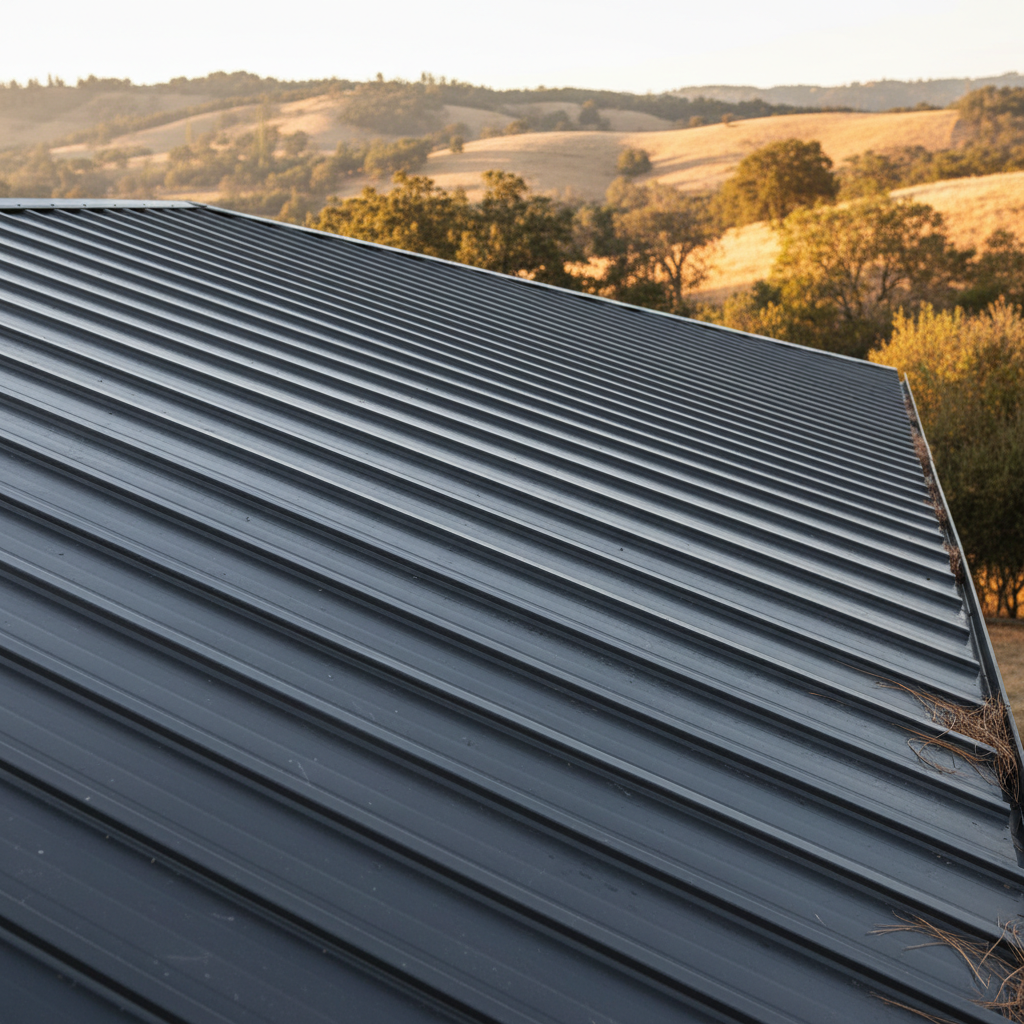
Do metal roofs really last 50+ years, or is that just marketing hype?
That 50+ year lifespan for metal roofs? It's not just hype, but don't take it as a guarantee either. Think of it more as an "up to" number, and whether you actually hit it really depends on a few things. First off, the type of metal you pick makes a huge difference. A cheap, thin galvanized steel roof won't hold up nearly as long as a heavy-gauge standing seam aluminum or copper roof, for example. Second, how well it's installed is critical. If your roofer cuts corners, even the best materials won't last. We've certainly seen roofs in places like Serrano or Folsom Ranch that were put in poorly and started having issues way sooner than they should have. Lastly, maintenance plays a role. While metal roofs are low-maintenance, they're not *no*-maintenance. Keeping them clear of debris, checking fasteners, and making sure sealants are still good will definitely help them reach that longer lifespan. So, yes, they absolutely *can* last that long, but you've got to invest in quality materials and a reputable installer like us at Skyline Roofing Solutions – and then give it a little love over the years.
Will a metal roof make my house hotter in the summer, or is it actually cooler?
This is a super common question, especially with our scorching El Dorado Hills summers. The quick answer? A metal roof can actually make your house cooler, not hotter. It sounds a bit backward because metal gets hot to the touch, right? But here's the thing: modern metal roofing systems come with reflective coatings that bounce a lot of solar radiation away from your home. These "cool roof" technologies can reflect as much as 70% of the sun's energy. Now, compare that to traditional asphalt shingles, which absorb a ton of that heat, sending it straight into your attic. What's more, many metal roofing systems are installed with a small air gap between the metal panels and the roof deck. This creates a ventilation space that helps dissipate even more heat. So, no, it won't make your house hotter. In fact, you might even notice your AC bills dropping a bit.
What's the real deal with noise during rain or hail? Is it like living in a drum?
I get asked this all the time, and it's a fair question. People often picture living in a tin shed during a downpour. But honestly, for most residential metal roofs, the noise isn't nearly as dramatic as you might imagine. Here's why: most homes have an attic space, insulation, and a solid roof deck (like plywood or OSB) underneath the metal panels. These layers do a great job of dampening sound. If your attic is well-insulated, you'll barely notice a difference compared to an asphalt shingle roof during a light or moderate rain. Now, a really heavy downpour or a serious hail storm? You'll hear it, sure, but it's more of a gentle patter or rumble than a constant clang. It's usually not enough to disrupt daily life. If you're particularly sensitive to sound, we can always talk about extra sound-dampening underlayments, but for most homeowners, it's really a non-issue.
Are metal roofs more prone to lightning strikes?
Another myth I hear pretty often. No, a metal roof does not increase your home's risk of being struck by lightning. This is a common misconception because metal does conduct electricity. However, lightning is attracted to the highest point in an area, not necessarily the most conductive. Your house, no matter what its roof is made of, is already a high point. If lightning *does* strike a metal roof, the electrical charge gets safely spread out over the entire surface and channeled to the ground, instead of concentrating in one spot. In some ways, it can even be safer than other materials, since metal isn't combustible. So, you don't need to worry about becoming a lightning rod just because you've got a shiny new metal roof, okay?
How do metal roofs handle snow and ice, especially with our occasional El Dorado Hills winter storms?
Even though we don't get feet of snow here in El Dorado Hills like they do up in Tahoe, we do get those occasional heavy, wet snowfalls that can cause real problems. Metal roofs are actually excellent for managing snow and ice. Their smooth, slick surface lets snow shed off much more easily than granular asphalt shingles, which tend to hold onto snow and ice, leading to heavy loads and ice damming. The downside of this easy shedding is that when snow *does* slide off, it can come down in one big, heavy sheet. This can be dangerous for anything below – landscaping, cars, even people. That's why for homes with metal roofs, especially those with steep pitches or areas where snow might pile up, we often recommend installing snow guards. These small, strategically placed devices break up the sliding snow into smaller, safer pieces, preventing those big avalanches. It's a small investment that adds a lot to safety and your peace of mind.
What about dents and damage? Are metal roofs easily dinged by hail or falling branches?
This really depends on the type and gauge of metal you pick. Not all metal roofs are created equal when it comes to how much impact they can take. Thinner, lower-quality aluminum or steel can certainly get dinged by large hail or heavy falling branches. However, higher-gauge steel, copper, or even some thicker aluminum panels are incredibly durable. Many metal roofing products have very high impact resistance ratings, often Class 4, which is the highest rating for hail damage. For instance, a standing seam roof made with heavier gauge metal is going to stand up much better to a rogue acorn or a small branch than a thin corrugated panel. We always talk about the specific impact resistance of the materials we suggest, especially for homes surrounded by mature oak trees — which are common in many parts of El Dorado Hills. It's not as fragile as you might think, but choosing the right material is absolutely key.
Can I really walk on a metal roof for cleaning or maintenance?
You can, but you really need to be careful, and frankly, it's usually best to leave it to the pros. While a properly installed metal roof is sturdy, walking on it incorrectly can cause damage, especially to standing seam panels where you could bend the seams if you step in the wrong spot. Plus, metal roofs can be incredibly slippery, particularly when wet or covered in dew. Safety is a huge concern here. If you need to clean gutters or check something out, it's always safer to use a ladder or hire someone who knows how to move around on a metal roof without causing damage or risking injury. We've seen homeowners try to DIY and end up with bent panels or worse, a trip to the ER. It's just not worth the risk.