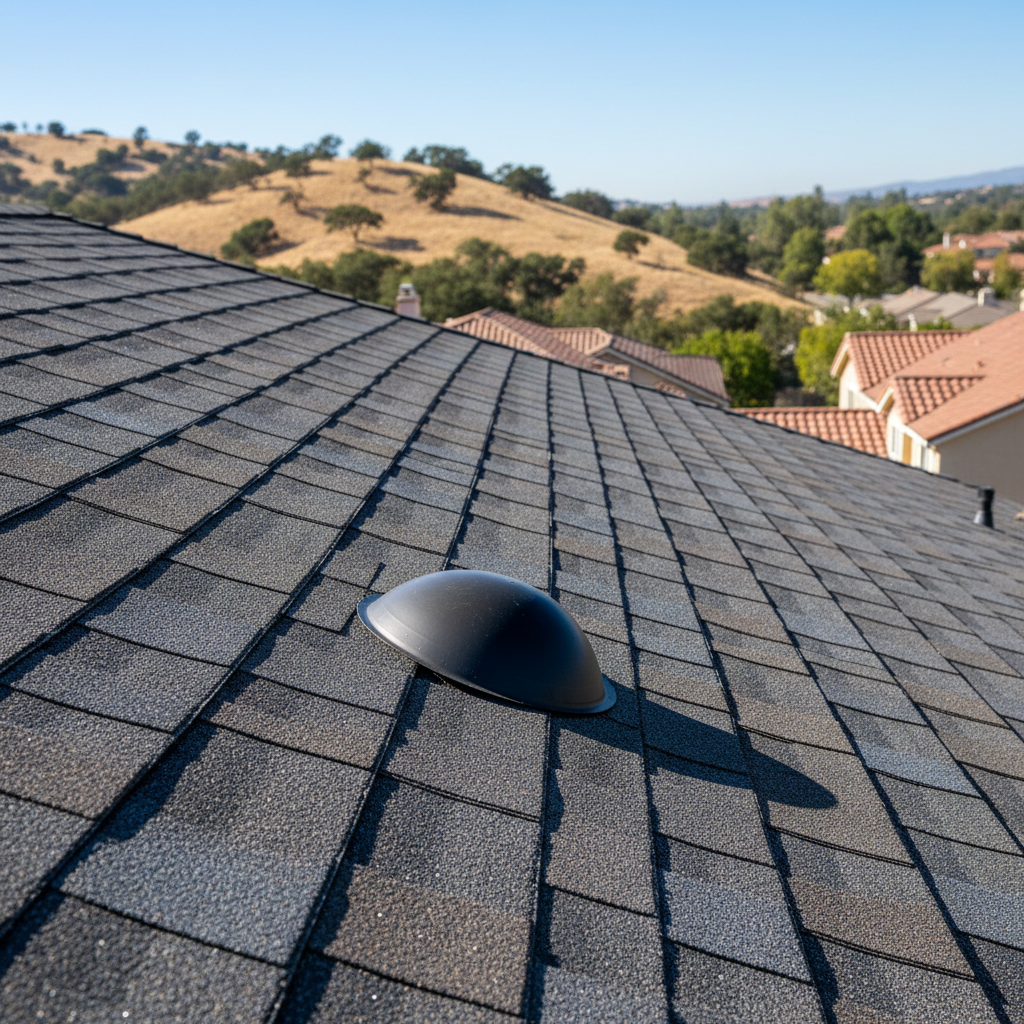
So, you're thinking about a new roof, huh? Maybe your old one's seen better days, or you're just itching for an upgrade. Getting a roof installed isn't like painting a spare bedroom; it's a big project. Knowing what to expect beforehand can really save you a ton of headaches and, let's be honest, money. Let's dig into what you, as a homeowner, truly need to know.
Before the Shingles Go On
This is where you, the homeowner, are most involved, long before any tools even show up. First, you've got to figure out what kind of roof you want. We offer everything from traditional asphalt shingles, which are still super popular in neighborhoods like Serrano, to metal, tile, and even some flat roofing options if you're going for a more modern look. Each type has its good and bad points, especially with our hot summers and those occasional heavy rains we get here in El Dorado Hills.
Next up: budget. Be honest with yourself about what you can actually afford. A new roof is an investment, and while quality materials and skilled labor aren't cheap, they really do pay off in the long run. Don't just jump for the lowest bid, by the way; that's a classic mistake. You're looking for value here, not just the cheapest price tag.
Permits are a big deal. Seriously. You can't just slap a new roof on your house without one. The city or county requires permits to make sure the work meets all the building codes. Now, for a full roof replacement, you usually won't handle this yourself; a reputable contractor, like Skyline Roofing Solutions, will pull all the necessary permits. It's part of our job to make sure everything's above board, you know?
DIY or Pro? Look, I'm all for homeowners tackling projects they can handle. Fixing a loose shingle? Go for it. Cleaning your gutters? Absolutely. But a full roof installation? That's a whole different animal. It takes specialized tools, safety gear, and a real deep understanding of roofing systems, ventilation, flashing, and local building codes. One wrong step — literally or figuratively — can lead to leaks, structural damage, or even serious injury. This is definitely a job for professionals. Your insurance company will also thank you for hiring licensed, insured pros if anything goes sideways.
During the Installation: What to Expect
Once you've picked your contractor and materials, and the permits are all squared away, the actual work starts. Here’s a quick rundown of what you’ll see:
- Material Delivery: A big truck will pull up with all the shingles, underlayment, flashing, and other supplies. They'll usually crane it right onto your roof if that's possible.
- Tear-Off: This is the noisy, messy part. The old roof comes off. Expect a lot of debris, and your yard will likely have a big dumpster or trailer for disposal. Make sure your contractor protects your landscaping and property during this stage.
- Deck Inspection & Repair: After the old stuff is gone, we inspect the roof deck (that's the plywood or OSB sheathing). If there's any rot or damage, it absolutely needs to be replaced. This step is critical; you can't put a new roof on a bad foundation.
- Underlayment & Flashing: A protective layer, called underlayment, goes down first. Then comes new flashing around chimneys, vents, and valleys. This is your primary water barrier.
- Shingle Installation: The main event. We install shingles from the bottom up, carefully aligning and nailing them according to manufacturer specifications and local codes.
- Clean-Up: A good crew will clean up thoroughly every day, and do a final sweep with magnets to pick up any stray nails.
Your role during all this? Mostly staying out of the way, keeping pets and kids safe, and maybe offering some cold drinks to the crew on a hot El Dorado Hills day. We'll keep you in the loop on progress and any unexpected issues that might pop up.
After the Last Nail is Driven
The crew's gone, the dumpster's been picked up, and you've got this beautiful new roof. Now what? First, do a walk-around. From the ground, check for any obvious issues, debris, or anything that looks out of place. Your contractor should also do a final inspection with you.
You'll get a warranty, typically from both the manufacturer for the materials and the contractor for the workmanship. Make sure you understand what these cover and for how long. Keep all your paperwork – contracts, warranties, invoices – in a safe spot.
Maintenance is still important, even with a new roof. Keep an eye on your gutters, especially after our winter storms. Make sure they're clear so water drains properly off your roof. Trim back any tree branches that are overhanging or touching your new shingles; they can cause damage over time and create debris. A yearly check-up, even just a visual one from the ground, can catch small issues before they blow up into big problems.
A new roof is a big investment in your home's protection and value. By understanding the process and knowing when to trust the experts, you'll make sure your El Dorado Hills home stays safe and dry for decades to come.